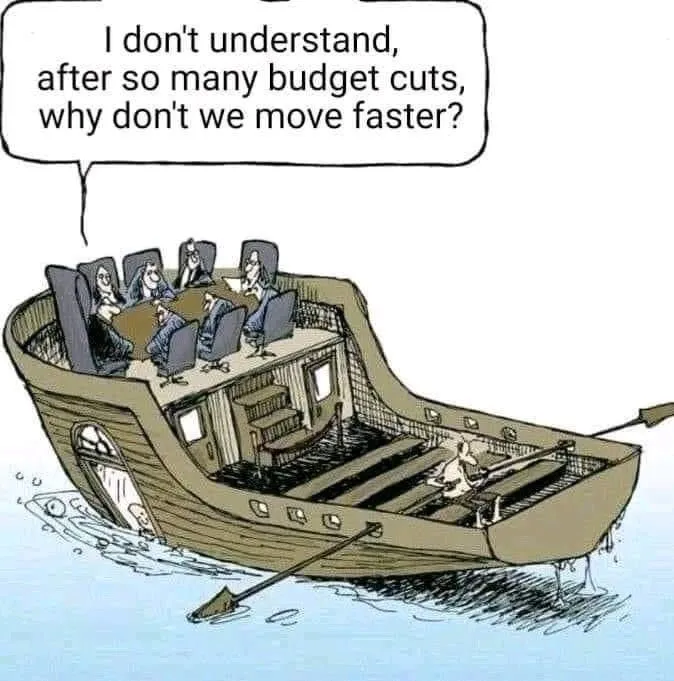
As the year draws to a close, I notice a familiar pattern in leadership conversations. A mix of fatigue, urgency, and quiet anxiety about what’s coming next. AI. New competitors. Shifting customer expectations. A sense that the ground is moving faster than our thinking.
My job as a coach is not to help leaders feel better about that reality. It’s to help them see it more clearly.
Clarity is not comforting. It forces trade-offs. It asks us to confront what has changed, what is no longer working, and where we are genuinely well-positioned to win. In a world that keeps accelerating, strategy is no longer about producing a comprehensive plan. It comes down to a small number of choices you’re prepared to fund.
That is why I keep coming back to Play to Win.
Cadence Curation
Watch: A Plan Is Not a Strategy | Roger Martin
This short video should be required viewing for any leadership team heading into annual planning. Roger Martin makes a deceptively simple point: most strategic planning has very little to do with strategy.
Plans feel reassuring. Goals, initiatives, budgets, timelines. They create a sense of control. But Martin argues that starting with a plan is precisely how leaders fall into the planning trap. Strategy, by contrast, requires moving outside the comfort zone and making choices about where to play and how to win, before worrying about execution detail.
The video walks through why leaders default to planning, what strategy actually is, and how a clear strategic choice can outperform even the most sophisticated plan. A useful reminder that planning activity is not the same as strategic choice.
Cadence Toolkit
Tool: Play to Win: A Year-Ahead Clarity Check
As you head into the year ahead, this is a useful moment to step back from planning and pressure-test your strategic choices.
This month’s Cadence Tool, The Play to Win Framework, is designed to help leadership teams make clear, connected decisions about where they will focus, how they will win, and what that requires in practice.
If you want a quick starting point, begin with these four questions and write your answers down:
1. Where will we play next year? Which customers, markets, or problems truly matter?
2. How will we win there? What is our real edge, and why should customers choose us?
3. What must we be great at? Which capabilities does this strategy depend on being true?
4. What are we choosing not to do? What will we deliberately stop, deprioritise, or say no to?
If these answers don’t connect, the issue isn’t execution. It’s strategy.
Any Other Business
If you don’t choose what enables winning, you’ve already chosen something else…