Intro
Many leaders assume that if their intent is good and their logic sound, their leadership will travel well. In domestic contexts, it often does. Across borders, it frequently doesn’t.
The same behaviour can be experienced as decisive or domineering, collaborative or weak, clear or blunt, depending on who is on the receiving end. Leaders rarely get explicit feedback on this. Instead, they notice friction, hesitation, or decisions that appear aligned but quietly unravel later.
Cultural acumen is not about stereotypes or etiquette. It’s about recognising that leadership behaviours are interpreted through cultural lenses, and that small gaps in interpretation can have outsized consequences.
Cadence Curation
READ: Navigating the Cultural Minefield | Erin Meyer | Harvard Business Review
This is one of those HBR articles that earns its place on the classics list. Meyer dismantles the idea that culture can be understood on a single dimension and replaces it with something far more useful: a set of behavioural continuums that explain how people experience leadership day to day.
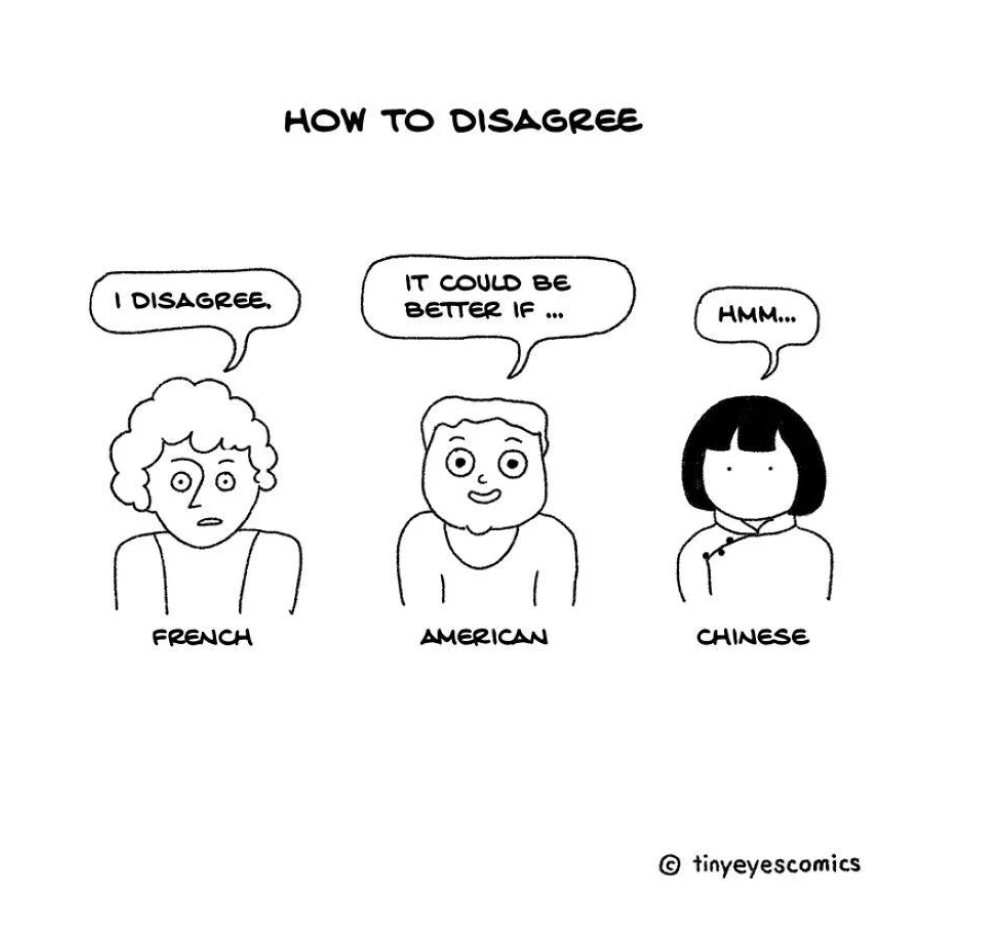
Her core insight is deceptively simple. Culture doesn’t change what leaders do. It changes how what they do is interpreted. In Japan, leaders may seek extensive consensus behind the scenes, only to present a decision as if it were top-down. In the Netherlands, direct negative feedback is often seen as a sign of respect and professionalism, while leaders from more harmony-oriented cultures may experience the same candour as unnecessarily blunt. In the US, speed and decisiveness are often rewarded, whereas in more consensual cultures this can feel premature or insufficiently inclusive.
If you work across borders or lead international teams, this article gives you a language for things you’ve probably felt but struggled to name.
Cadence Toolkit
Using the Culture Map Tools
If you want to go beyond theory, Erin Meyer’s Culture Map tools offer several ways to make cultural differences visible. You can map countries you work across, plot your own personal leadership profile against those contexts, or compare how different members of a team experience communication, authority, and trust. Used well, these tools surface where interpretation gaps are most likely to arise, and where a small adjustment could materially improve effectiveness.
Any Other Business
After six years working in Asia, I can very much relate to the lessons Nike founder Phil Knight shares in his biography Shoe Dog. Agreement can mean respect, not alignment. Silence can signal non-objection, not commitment.
Save yourself the pain of miscommunication. Read Erin Meyer’s The Culture Map.